Nvidia Computex 2026 Keynote Highlights
Exciting announcements we made by NVIDIA CEO Jensen Huang at Computex 2026. We will explore the revolutionary RTX Spark superchip designed specifically for the era of personal AI, uncover the powerful new Vera Rubin AI computing platform and its companion Vera CPU, and look at the latest DLSS 4.5 updates enhancing the gaming and creator ecosystem. Additionally, we’ll touch upon Nvidia’s major push into “Physical AI” with robotics platforms like Isaac Groot and Alpamayo, and discuss what these groundbreaking innovations mean for everyday consumers, gamers, and developers alike.
NVIDIA RTX Spark
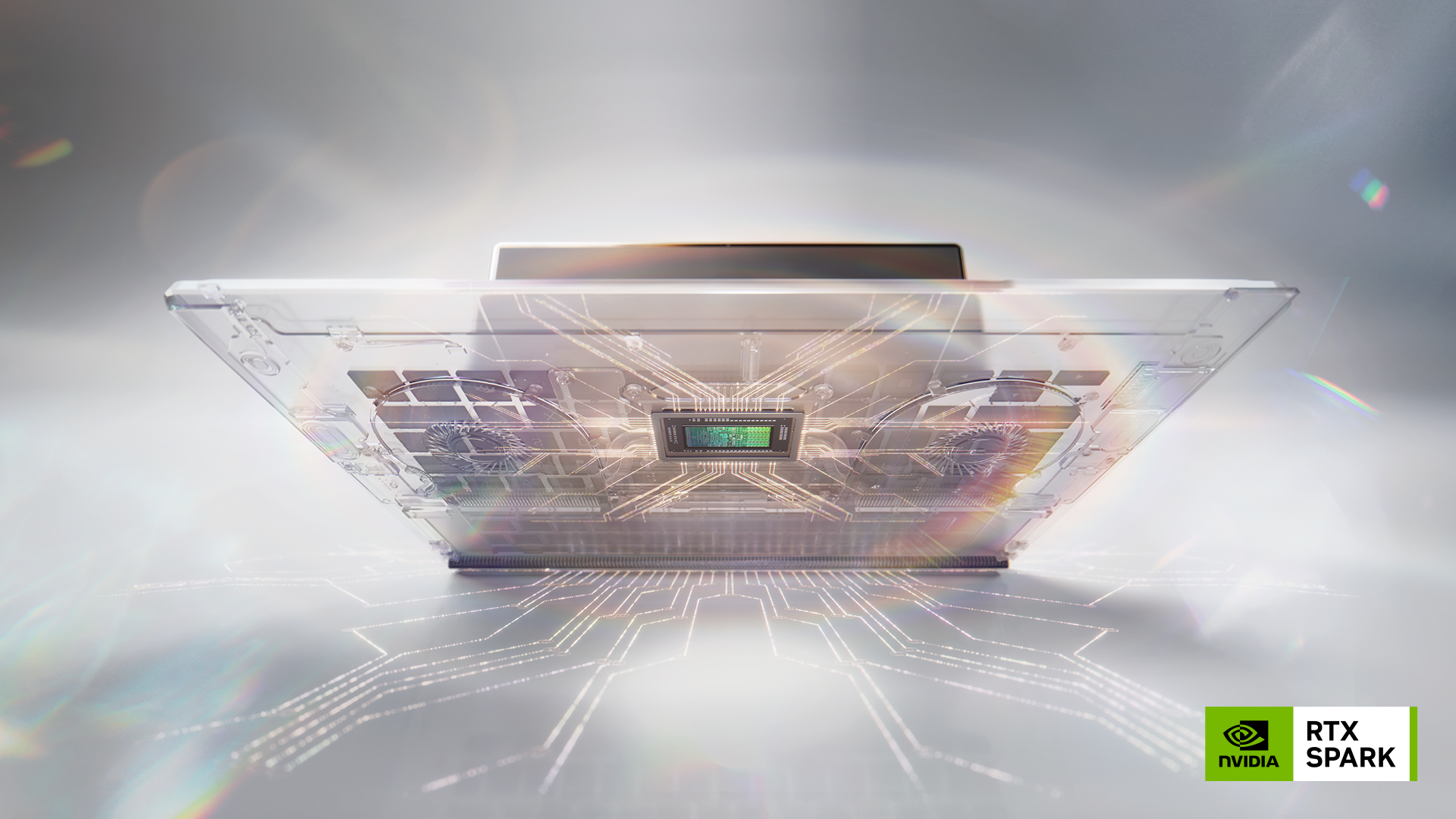
An Arm-based “superchip” designed to completely reinvent Windows laptops and compact desktops by bringing powerful, localized AI capabilities directly to your personal device.
It integrates 30 years of Nvidia innovations, combining CUDA, RTX, DLSS, and TensorRT into a highly efficient, single chip. This hardware is built specifically to handle running complex AI models locally on your machine without relying heavily on external cloud servers.
SRTX Spark specifications:
- NVIDIA Blackwell RTX GPU
- 6144 CUDA Cores
- 1 Petaflop FP4 AI Performance
- 20 Core Grace CPU
- Unified Memory with NVLink C2C
- LPDDR5x 128GB Memory
- 600 GB/s GPU to CPU
- 5X PCIe Gen 5
For the everyday PC user and professional, your next computer will be significantly smarter. You’ll have built-in hardware to run advanced “personal AI agents” locally, meaning faster, more secure, and offline AI assistants capable of drafting documents, organizing files, and automating daily tasks seamlessly.
Vera Rubin AI Platform & Vera CPU
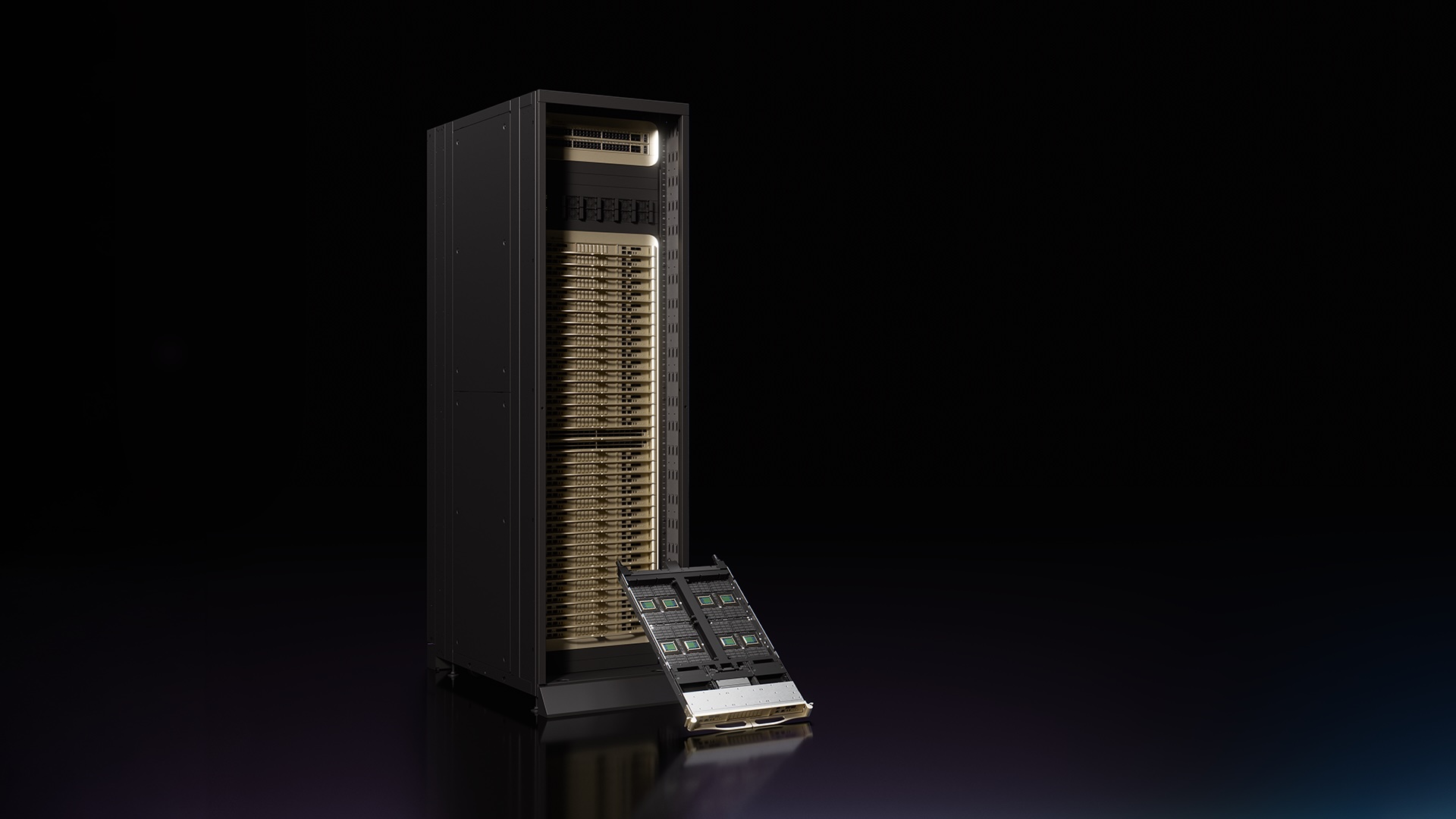
Nvidia’s next-generation foundational computing platform and CPU designed for massive, data-center-scale AI systems.
The platform introduces the Vera CPU, which acts as a highly capable coordinator for massive AI workloads. It works seamlessly alongside Nvidia’s GPUs to deliver extreme acceleration for full-stack AI development and robust infrastructure.
Nvidia Vera System is build on the idea of CPU for agents with impressive speces:
- NVIDIA custom Olympus Core
- 88 cores / 176 threads
- 2MB L2 per core / 164MB L3 cache
- 250W - 450W TDP
- 1.2 TB/s LPDDR5X ECC
- 40% Lower Loaed Latency (vs x86)
- 3.4 TB/s Core-to-Core BW
- 1.4 TB/s PCI Gen6
- 1.8 TB/s NVLink C2C
Vera Rubin Platform emcompasses the following:
- Vera Rubin GPU
- Vera Compute
- Vera BlueField Storage
While this is enterprise-level hardware, it indirectly benefits everyone. For developers, it provides the ultimate tools to train bigger, better, and more complex AI models. For consumers, it means the cloud-based AI services you use daily (like chatbots, generative tools, and search engines) will become significantly faster, more capable, and more intelligent.
DLSS 4.5 Ray Reconstruction & The Nvidia App
The latest major updates to Nvidia’s AI-driven graphics enhancement technology and their consumer software ecosystem. DLSS 4.5 brings advanced ray reconstruction for incredibly realistic lighting, supporting over 1,000 games and apps, including tools like Blender 5.3. Alongside this, the Nvidia App has been updated to support ultra-smooth 240 FPS ShadowPlay video recording.
For gamers and developers, it means experiencing unparalleled visual fidelity and higher framerates even on mid-range hardware. Content creators and streamers benefit from the 240 FPS recording, allowing them to capture exceptionally fluid, high-quality gameplay footage effortlessly without heavily taxing their system.
Physical AI and Robotics (Isaac Groot & Alpamayo)
Nvidia’s major push into bringing Artificial Intelligence out of the digital realm and into physical, real-world applications.
The introduction of the Isaac Groot reference platform, a comprehensive hardware and software stack designed specifically for humanoid robots. Nvidia also highlighted the Alpamayo open model, tailored explicitly for autonomous vehicle development.
For developers, it dramatically lowers the barrier to entry for developers and engineers building robotics and self-driving cars. In the long term, this accelerates the arrival of smart, physical robotic assistants and much safer autonomous vehicles for everyday consumers.
As we look ahead, it’s clear that Nvidia is actively shaping the infrastructure of our daily digital and physical lives. The leap from cloud-dependent tools to hyper-capable local AI and real-world robotics marks a thrilling turning point for consumers and creators alike. Let me know in the comments below which of these groundbreaking innovations you’re most excited to see in action!